Cold-weather camping is much easier when your shelter is built to hold heat, block wind, and stay dry. The right rooftop tent can make shoulder-season and winter trips far more comfortable.
Below, we focus on roof top tents for cold weather that balance insulation, durability, and simple setup so you can choose with confidence.
Best 10 Roof Top Tents for Cold Weather Picks for 2026
Winter Cargo-Ready RTT
Hard Shell with Crossbars & Thermal Liner

- Detachable thermal liner helps in cold weather
- Anti-condensation mat supports drier sleeping
- Adjustable crossbars add gear-carrying utility
Best For: Winter campers who want cargo-carrying roof space
Ventilated 3-Season RTT
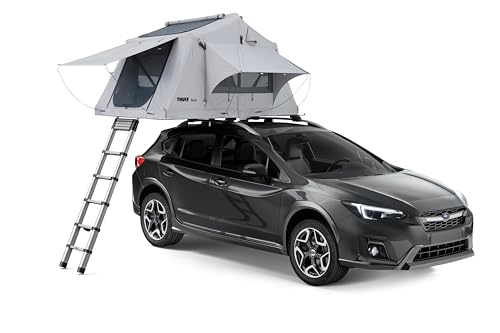
- Breathable fabric helps reduce condensation
- Foam mattress improves sleeping comfort
- Mesh panels and windows boost airflow
Best For: Mild cold-weather campers who value ventilation
Insulated 4-Season Hardshell

- Removable winter liner adds insulation
- Flocked floor helps fight condensation
- Includes mattress, LED strip, and storage
Best For: Two-person winter camping with extra included gear
All-Season Quick-Pop RTT

- 5-second hydraulic setup saves time at camp
- Flocked floor and condensation mat help manage moisture
- 4-season build includes windproof layers
Best For: Small groups wanting a fast-opening all-season RTT
Winter-Ready Hard Shell
Solar Panel Rooftop Tent Hard Shell
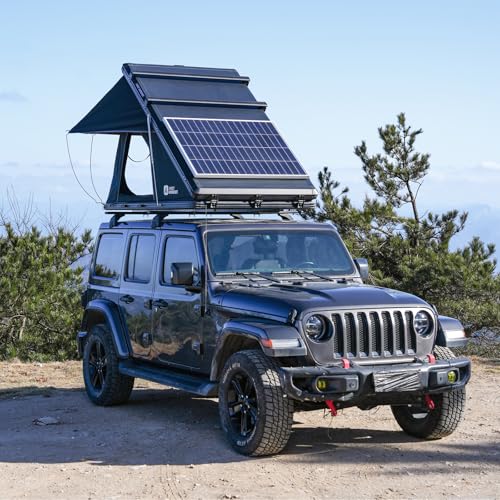
- Removable winter thermal layer
- Aluminum shell with snowproof, windproof protection
- 10-second pop-up setup with solar panel
Best For: Cold-weather campers who want insulation and quick setup
Insulated Pop-Up Shelter
Aluminum Rooftop Tent Hard Shell

- Flocked lining floor helps reduce condensation
- 5000 mm waterproof, windproof, blackout fabric
- Hydraulic support rods for easy opening and closing
Best For: Campers who want weather protection and condensation control
Three-Person Winter Shell

- 3-person hard shell with 4-season protection
- Condensation pad and recessed marine pad
- Level 4 heavy snow protection and 5000 mm rainproofing
Best For: Larger groups wanting cold-weather protection and extra room
Winter-Ready Comfort
Rooftop Tent Hard Shell with Winter Insulation

- Removable winter thermal liner for colder nights
- Elevated rear design adds room and comfort
- Aluminum shell with taped seams and blackout coating
Best For: Campers wanting an insulated 2-person rooftop tent for winter trips
All-Season Shelter
Naturnest Sirius 1 Plus Hard Shell

- Insulated honeycomb panels help manage cold and noise
- Vent supports heater or cooler for climate control
- Sets up in about 30 seconds with a hard shell design
Best For: Campers who want a fast-deploy, insulation-focused 4-season rooftop tent
Cold-Weather Value Pick
Rooftop Tent Hard Shell with Winter Thermal Layer

- Removable thermal layer helps block cold air
- 10-second pop-up design simplifies setup
- Includes mattress, ladder, LED strip, and storage gear
Best For: Campers wanting a winter-focused 2-person hard shell tent with included accessories
Winter Cargo-Ready RTT – Hard Shell with Crossbars & Thermal Liner
If you’re comparing roof top tents for cold weather, this hard shell model stands out for its detachable thermal insulation liner and anti-condensation mat. It’s built for winter comfort while still keeping the setup simple, with a hydraulic pop-up design and weatherproof construction for trips where warmth and moisture control matter.
Best For: Cold-weather campers who want a hard shell RTT with extra storage versatility.
Pros:
- Detachable thermal insulation liner and integrated anti-condensation mat for colder, damper conditions
- Two adjustable aluminum crossbars support up to 150 lbs for bikes, kayaks, or solar panels
- Hydraulic system opens the tent in under a minute for fast camp setup
- Built-in USB power hub and dual LED light strips add convenience off-grid
Cons:
- Heavier hard shell design at 80 kg may be more demanding to mount and remove
- Best fit is for buyers who value integrated accessories over a minimalist setup
For winter road trips or shoulder-season overlanding, this tent focuses on comfort, dryness, and practical cargo use. The combination of insulation, condensation control, and hard shell durability makes it a strong all-around option when cold nights are part of the plan.
Ventilated 3-Season RTT – Thule Kukenam 3 Person
For buyers browsing roof top tents for cold weather, this Thule Kukenam is more of a breathable 3-season option than a dedicated winter tent. Its weather-resistant fabric is designed to reduce condensation, but the large windows and mesh panels prioritize airflow, so it’s a better fit for cool, not extreme, conditions.
Best For: Campers who want a durable rooftop tent with comfort-focused ventilation.
Pros:
- Weather-resistant fabric is breathable to help reduce condensation build-up
- Includes a 2.5 in high-density foam mattress for added comfort
- Large windows, skylights, and mesh panels create strong airflow and visibility
- Four internal pockets and exterior attachment points help organize camp gear
Cons:
- Rated as a 3-season tent, so it’s not the most winter-focused choice
- Mesh-heavy ventilation setup may feel less insulating in colder conditions
This is a solid pick if your cold-weather trips are mild and you still want better ventilation inside the tent. It leans toward comfort, breathability, and ease of use rather than full winter insulation.
Insulated 4-Season Hardshell – Winter Rooftop Tent
If you’re shopping for roof top tents for cold weather, this 4-season hard shell model is built around winter comfort. It adds a removable thermal liner, a condensation-focused flocked floor, and waterproof, windproof construction, making it a practical choice for cold nights and changing weather.
Best For: Two-person campers who want a winter-ready rooftop tent with included accessories.
Pros:
- Disassembleable winter thermal liner helps improve insulation and wind protection
- Flocked lining floor is designed to reduce condensation and keep the mattress dry
- 5000 mm water resistance, windproofing, and UV protection support all-weather use
- Includes mattress, condensation pad, LED strip, storage bags, and shoe organizers
Cons:
- Two-person capacity is smaller than some family-oriented rooftop tents
- At 178 pounds, it is relatively heavy for a rooftop setup
This tent is the most winter-focused option in the group thanks to its liner, floor design, and full accessory package. It makes the most sense if cold-weather performance matters more than low weight or extra sleeping capacity.
All-Season Quick-Pop RTT – Adventurer Pro Hard Shell
For roof top tents for cold weather, this hard shell model offers a strong mix of insulation-minded features and fast setup. It includes a moisture-proof flocked floor, condensation mat, windproof layers, and a 4-season build that aims to stay comfortable across changing temperatures.
Best For: Families or small groups wanting a quick-opening all-season rooftop tent.
Pros:
- 4-season design with windproof layers and water-resistant sealing for year-round use
- Flocked lining floor and condensation mat help manage moisture inside the tent
- Opens and closes in about 5 seconds with hydraulic struts and dual buckles
- Fits 2-3 people and includes storage pouches, LED strip, ladder, and shoe bags
Cons:
- Requires mounting crossbars that support at least 165 lbs
- Best for buyers who want a feature-rich tent rather than a lightweight one
This model is a practical choice if you want winter-capable features without giving up fast deployment. Its combination of moisture control, included storage, and quick pop-up action makes it easy to use on frequent trips.
Winter-Ready Hard Shell – Solar Panel Rooftop Tent Hard Shell
If you’re shopping for roof top tents for cold weather, this hard shell model stands out for its removable winter thermal layer and insulated build. The outer canvas plus inner thermal cotton is designed to help block cold air, while the waterproof, snowproof, windproof shell adds protection when conditions turn rough.
Best For: Cold-weather campers who want fast setup, built-in insulation, and a full-season hard shell.
Pros:
- Removable winter thermal layer helps retain interior warmth.
- Aluminum hard shell construction adds durability and weather protection.
- Quick 10-second pop-up setup is convenient in bad weather.
- Includes solar panel, 12V outlet, mattress, ladder, and storage accessories.
Cons:
- At 198 pounds, it is heavy compared with softer rooftop options.
- Designed for 2 people, so space may be limited for larger groups.
Overall, this is a strong pick if winter warmth and all-season protection matter more than low weight. The insulation-focused design and included power features make it especially practical for cold-weather overlanding.
Insulated Pop-Up Shelter – Aluminum Rooftop Tent Hard Shell
For roof top tents for cold weather, this hard shell option focuses on weather resistance and condensation control. The flocked lining floor is meant to reduce condensation from temperature differences, while the 5000 mm waterproof fabric, blackout coating, and wind resistance help it handle winter conditions better than a basic tent.
Best For: Campers who want a sturdy hard shell with condensation control and all-season protection.
Pros:
- Flocked lining floor helps limit condensation around the mattress.
- High-strength hydraulic support rods make opening and closing easier.
- 320G polyester with blackout coating offers waterproof, sunproof, and windproof coverage.
- Includes ladder, mattress, condensation pad, and storage accessories.
Cons:
- Built for 2 people, so interior space is more limited.
- No dedicated winter insulation layer is listed in the supplied details.
This is a practical choice if your main concern is staying dry and reducing condensation in cold conditions. It leans more toward durable weather protection than dedicated winter insulation, but that can still be a smart tradeoff for many campers.
Three-Person Winter Shell – WildFinder Rooftop Tent
If you need roof top tents for cold weather with room for more than two people, this hard shell tent brings 4-season protection and heavy-snow coverage claims. Its aluminum shell, condensation pad, and recessed marine pad are aimed at helping manage moisture and comfort when temperatures drop.
Best For: Larger groups who want a 3-person hard shell with cold-weather and snow protection features.
Pros:
- 3-person capacity gives it more space than many compact rooftop tents.
- Condensation pad and recessed marine pad help reduce moisture buildup.
- 5000 mm rainproof rating and Level 4 heavy snow protection are useful in winter.
- Includes mattress, ladder, organizer bags, LED strip, and mesh windows.
Cons:
- No luggage crossbar is included.
- At 89.81 kg, it is a substantial setup to mount and move.
For campers who want extra sleeping room and winter-focused protection, this is the most spacious option in the group. It is best suited to vehicles and users who can handle the weight and want a tent built for harsher weather.
Winter-Ready Comfort – Rooftop Tent Hard Shell with Winter Insulation
If you want roof top tents for cold weather, this hard shell model stands out for its removable winter thermal liner and insulated aluminum build. It is designed to keep warmth in while still offering ventilation, so you can stay more comfortable when temperatures drop and condensation becomes a problem.
Best For: Campers who want a roomy, insulated 2-person rooftop tent for winter trips and mixed-season use.
Pros:
- Removable winter thermal liner adds insulation and helps block cold air.
- Elevated rear design increases legroom and interior space.
- Three windows and mesh panels help improve airflow and reduce condensation.
- Aluminum shell, taped seams, and blackout coating add weather protection.
Cons:
- At 220 pounds, it is heavier than many compact rooftop tents.
- Best suited to 2 occupants, so it is not ideal for larger groups.
This is a strong pick if insulation and livability matter more than minimizing weight. The built-in cargo rack and LED lighting are useful bonuses for colder, longer camping setups.
All-Season Shelter – Naturnest Sirius 1 Plus Hard Shell
For roof top tents for cold weather, this hard shell option focuses on all-season protection with insulated honeycomb panels, blackout fabric, and a vent you can use with a heater or cooler. It is built to keep the interior more stable when the weather turns harsh, while still setting up fast for overland travel.
Best For: Drivers who want a quick-deploy hard shell tent with built-in insulation features for four-season camping.
Pros:
- Honeycomb panels and weather-proof fabric help with thermal and sound insulation.
- Dedicated vent supports heater or cooler connection for climate control.
- Opens in about 30 seconds for fast camp setup.
- 1.97-inch mattress and blackout fabric support comfortable sleep.
Cons:
- One-door layout may feel less open than multi-door tents.
- At 160 pounds, it still requires a suitable roof rack setup.
If you want a winter-capable rooftop tent without giving up quick setup, this is a practical middle ground. Its insulation-focused construction makes it especially appealing for mixed-weather road trips and colder nights.
Cold-Weather Value Pick – Rooftop Tent Hard Shell with Winter Thermal Layer
If you are comparing roof top tents for cold weather, this model makes winter comfort a priority with a removable thermal layer, a 6 cm mattress setup, and a full set of cold-weather accessories. Its aluminum construction and 5000mm waterproof rating also make it a strong choice when snow, wind, and damp conditions are part of the trip.
Best For: Campers who want a winter-focused hard shell tent with included insulation accessories and quick setup.
Pros:
- Removable winter thermal layer helps isolate cold air and retain heat.
- 10-second pop-up setup makes camp fast and easy to manage.
- Includes mattress, condensation pad, LED strip, ladder, and storage bags.
- Aluminum build and 5000mm water resistance support harsh-weather use.
Cons:
- Designed for 2 people, so space is limited for larger groups.
- At 166 pounds, it is not the lightest rooftop tent option.
For buyers who want an all-in-one winter setup, this tent is easy to understand and easy to use. The removable thermal layer and included comfort items give it a practical edge for colder camping without extra add-ons.
How We Picked These Roof Top Tents for Cold Weather
We looked for tents that prioritize winter-ready features such as insulated liners, weather-resistant shells, strong aluminum or hard-shell construction, and practical ventilation. We also favored models that are easy to deploy after a long day on the trail, since fast setup matters more when temperatures drop.
Quick Comparison: What Matters Most
In this category, the biggest differences usually come down to shell style, insulation, and capacity. Hard-shell tents typically set up faster and handle wind better, while soft-side designs may offer more interior volume. For Roof Top Tents for Cold Weather, thermal liners, sealed seams, and a supportive mattress can make a bigger difference than extra interior space alone.
Key Buying Factors for Roof Top Tents for Cold Weather
Insulation and Heat Retention
Look for built-in thermal layers, detachable insulation liners, and blackout fabrics that help reduce heat loss overnight. A tent that traps warmth well can extend your camping season without relying as much on heavy sleeping bags or portable heaters.
Weather Protection and Shell Design
Hard shells and rugged aluminum construction tend to perform well in wind, snow, and freezing rain. Waterproof fabric, reinforced zippers, and solid seals are especially important if you camp in mixed winter conditions.
Ventilation Control
Even in winter, you need airflow to limit condensation. Mesh panels or adjustable vents are helpful, but they should be easy to close when the temperature drops.
Vehicle Fit and Mounting
Check roof load limits, rack compatibility, and the folded height of the tent before buying. A great cold-weather tent is only useful if it fits your vehicle and mounts securely.
Who Should Buy Which Roof Top Tents for Cold Weather?
If you want the fastest setup and best wind resistance, a hard-shell model is the strongest choice. If you need room for two or three campers, look for larger platforms with included mattresses and insulation. For frequent winter trips, prioritize Roof Top Tents for Cold Weather with proven waterproofing, thermal liners, and durable hardware. If you mainly camp in mild shoulder seasons but want occasional cold-weather capability, choose a versatile all-season model with good ventilation and a removable liner.