Fine dust from sanding, carving, grinding, routing, and nail work can quickly spread across an art studio. The right extractor captures particles at the source, helps protect your lungs, and reduces cleanup time.
This roundup compares 10 options across workshop, desktop, and portable applications, focusing on filtration, suction, capacity, noise, tool compatibility, and everyday practicality.
Best 10 Dust Extractors for Art Studios Picks for 2026
Workshop HEPA Pick
DEWALT DWV010 8-Gallon Dust Extractor
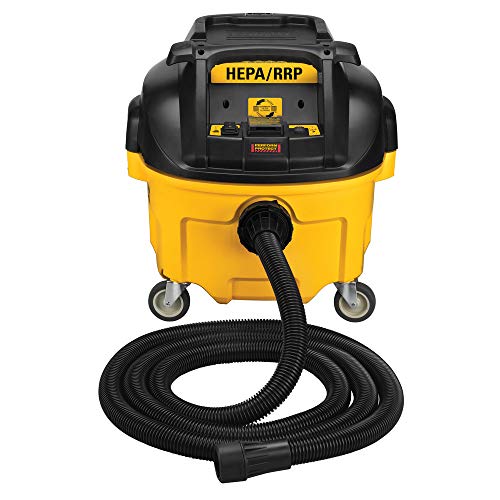
- Automatic filter cleaning every 30 seconds
- 150 CFM airflow with power tool actuation
- Portable 8-gallon HEPA design with 15-foot hose
Best For: Power-tool users needing mobile HEPA dust extraction
Studio Air-Cleaning Pick
WEN 3410 Remote Air Filtration System
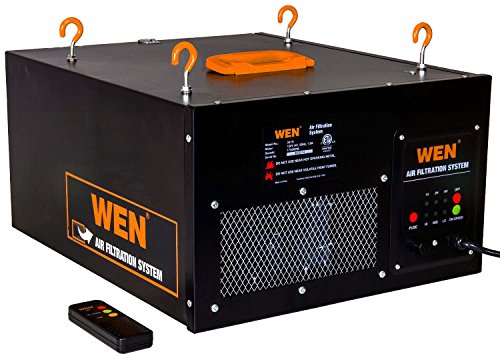
- Three speeds from 300 to 400 CFM
- 1-micron filter and 5-micron pre-filter
- Remote control and programmable shutoff timer
Best For: Ambient air filtration in studios up to 400 square feet
Versatile Jobsite Pick
Bosch VAC090AH 9-Gallon Dust Extractor

- 150 CFM airflow with adjustable suction control
- HEPA filtration and filter cleaning every 15 seconds
- Wet/dry collection with power-tool activation
Best For: Mixed studio tasks requiring adjustable HEPA extraction
Desktop CNC Pick
FoxAlien HFS-800 Dust Collector

- 800W desktop CNC dust collection
- Cyclone separator helps protect the HEPA filter
- HEPA and activated-carbon filtration with adjustable airflow
Best For: Desktop CNC cutting, engraving, and carving
Compact Nail Dust Specialist
Portable HPro Nail Dust Collector

- Three suction modes for adjustable nail-dust capture
- Reusable, removable filter for simpler maintenance
- Compact and portable for manicure tables
Best For: Nail art, gel removal, beauty schools, and home manicures
Professional HEPA Workhorse
Festool CT MIDI I Dust Extractor

- HEPA filtration for fine dust applications
- Bluetooth and automatic tool-start control
- Wheeled chassis with tool-free filter changes
Best For: Woodworking and professional art studios using power tools
Adjustable Tabletop Collector
Portable Desktop Dust Collector

- Stepless airflow control for varied studio tasks
- Washable filter and transparent housing simplify upkeep
- Flexible tubes help direct suction and reduce noise
Best For: Tabletop woodworking, resin crafts, nail art, and sanding
Best Overall for Mobile Studios
Festool CT 15 HEPA Dust Extractor

- HEPA filtration with high-performance suction
- Automatic tool start and AutoClean system
- Compact 15-liter design with onboard tools
Best For: Mobile studios and tool-connected art work
Best Compact Option for Nail Art
MelodySusie HPro Nail Dust Collector

- Small tabletop design for manicure stations
- Three adjustable suction modes
- Reusable, cleanable fine-dust filter
Best For: Nail art and home manicure work
Best for Power-Tool Workshops
ECOMAX 8-Gallon HEPA Dust Extractor

- Automatic activation for connected power tools
- 8-gallon tank with HEPA filtration
- Anti-static hose and semi-automatic filter cleaning
Best For: Woodworking and power-tool-heavy art studios
Workshop HEPA Pick – DEWALT DWV010 8-Gallon Dust Extractor
For art studios that need a mobile vacuum for connected tools, the DEWALT DWV010 is a practical choice among dust extractors for art studios. Its HEPA filter, automatic cleaning cycle, and 15-foot antistatic hose support extended cleanup sessions.
Best For: Artists and makers using power tools who want portable HEPA dust extraction with tool-actuated operation.
Pros:
- Automatic filter cleaning pulses every 30 seconds to help maintain continuous operation.
- 15-amp motor provides up to 150 CFM of airflow.
- Power tool actuation controls the vacuum from a connected tool.
- Four wheels, heavy-duty casters, and a 15-foot antistatic hose support studio mobility.
Cons:
- Its listed 80 dB noise level may be noticeable in a quiet studio.
- The unit is corded and weighs 22 pounds.
- EPA RRP HEPA-vacuum compliance depends on using DWV9330 filters.
The DWV010 is well suited to studios where dust is produced directly by power tools. Its automatic cleaning and tool activation reduce interruptions, while the HEPA setup makes it a stronger fit for fine-dust control than a basic shop vacuum.
Studio Air-Cleaning Pick – WEN 3410 Remote Air Filtration System
The WEN 3410 is an overhead air-filtration system rather than a source-capture vacuum, making it a useful complement to dust extractors for art studios. Its replaceable filters, adjustable airflow, and remote operation help circulate and clean airborne particles across rooms up to 400 square feet.
Best For: Art studios needing ambient air filtration after sanding, woodworking, or other dust-producing activities.
Pros:
- Three airflow settings provide 300, 350, or 400 CFM.
- Includes a 1-micron filter and a 5-micron pre-filter.
- RF remote works from up to 26 feet and does not require direct line of sight.
- Programmable timer can shut the unit off automatically.
Cons:
- It is an air-filtration system, not a tool-connected dust extractor.
- Coverage is listed for rooms up to 400 square feet.
- Noise ranges from 50 to 60 dB.
Choose the WEN 3410 when airborne dust control is the priority. It can help maintain general studio air quality, but it should be viewed as a companion to source extraction rather than a replacement for a vacuum connected to a tool or dust shoe.
Versatile Jobsite Pick – Bosch VAC090AH 9-Gallon Dust Extractor
The Bosch VAC090AH brings adjustable suction, wet/dry collection, and automatic filter cleaning to studio workspaces. For artists comparing dust extractors for art studios, its HEPA filtration and power-tool activation are especially useful for sanding, grinding, and other tool-based tasks.
Best For: Makers who want a configurable HEPA extractor for power tools, dry debris, and occasional wet pickup.
Pros:
- Delivers up to 150 CFM and 97 inches of static water lift.
- Automatic filter cleaning runs every 15 seconds.
- HEPA filter captures 99.97% of particles at 0.3 microns or larger.
- Power tool activation and the Power Broker dial allow application-specific control.
Cons:
- At 28 pounds, it is heavier than the DEWALT option listed here.
- Its 60 dB noise rating may still be audible during studio work.
- The product is corded and has a listed one-hour runtime.
The VAC090AH is a strong all-around option when studio projects vary. Its adjustable suction and wet/dry design add flexibility, while frequent filter cleaning helps preserve performance during extended dust-producing work.
Desktop CNC Pick – FoxAlien HFS-800 Dust Collector
The FoxAlien HFS-800 is designed for desktop CNC cutting, engraving, and carving, making it a specialized option among dust extractors for art studios. Its cyclone separator, HEPA and activated-carbon filtration, and adjustable airflow target both debris and odors from materials such as acrylic, MDF, and resin.
Best For: Desktop CNC artists and makers who need compact dust collection with odor filtration.
Pros:
- 800W suction is designed for desktop CNC dust and debris removal.
- Cyclone separator captures larger debris before it reaches the main unit.
- HEPA and activated-carbon filters address fine dust and harsh smells or fumes.
- Adjustable airflow supports delicate work and heavier carving.
Cons:
- Its 85 dB sound level may be loud for a small studio.
- The included hose is 6.56 feet long, limiting reach compared with longer-hose models.
- The supplied details list a 220-volt specification, so electrical compatibility should be verified.
The HFS-800 makes the most sense for a dedicated desktop CNC station rather than general studio cleanup. The included separator can reduce filter loading, while carbon filtration adds a useful layer for acrylic, MDF, and resin projects that produce noticeable odors.
Compact Nail Dust Specialist – Portable HPro Nail Dust Collector
For manicure stations and small creative workspaces, the MelodySusie HPro is a compact option among dust extractors for art studios. It offers three suction levels, a reusable filter, and a small footprint for tabletop use.
Best For: Nail art, gel polish removal, beauty schools, and home manicure setups where portability and simple controls matter.
Pros:
- Three adjustable suction modes accommodate different filing and polishing tasks.
- Reusable magnetic filter can be removed and cleaned with a hairdryer or dust brush.
- Compact 7.67-inch design is easy to carry and store.
- Low-noise motor and ventilation openings support longer work sessions.
Cons:
- Designed primarily for nail dust rather than larger woodworking debris.
- The filter is suggested for replacement every three to four months.
This is a practical pick when your studio needs targeted nail-dust capture without giving up much table space. Its straightforward buttons also make it approachable for beginners.
Professional HEPA Workhorse – Festool CT MIDI I Dust Extractor
The Festool CT MIDI I is a feature-rich choice among dust extractors for art studios that use power tools or create fine woodworking dust. Its HEPA filtration, automatic tool start, Bluetooth control, and mobile chassis suit more demanding studio workflows.
Best For: Woodworking, construction, and art studios needing mobile extraction with tool-triggered operation and high-filtration capability.
Pros:
- HEPA filter supports fine-particle filtration.
- Automatic tool start and integrated Bluetooth allow convenient remote operation.
- Manual filter cleaning helps maintain filtration performance and suction.
- Compact, wheeled chassis and tool-free filter changes improve portability and upkeep.
Cons:
- Corded electric operation limits placement to areas near an outlet.
- Its professional feature set may be more than a small hobby studio needs.
Choose this model when reliable mobility, filtration, and power-tool integration are higher priorities than a minimal footprint or basic setup. It is especially well suited to studios combining craft work with woodworking.
Adjustable Tabletop Collector – Portable Desktop Dust Collector
This desktop unit offers adaptable extraction for studios handling wood carving, sanding, resin, or nail-art projects. With variable airflow, washable filtration, and included flexible tubes, it is a versatile mid-size option among dust extractors for art studios.
Best For: Tabletop woodworking, wood carving, sanding, resin crafts, nail art, and dental-lab tasks that need directed suction.
Pros:
- 60W motor reaches 13,000 RPM and provides stepless airflow adjustment.
- Transparent housing makes dust buildup and filter condition easy to monitor.
- Washable filter can be rinsed or cleaned with an air blower.
- Extendable suction and silencing tubes support flexible positioning and reduced noise.
Cons:
- Not recommended for metalworking applications.
- Noise can reach approximately 67 dB with the silencing tube and about 81 dB without it at maximum speed.
- The complete setup weighs about 4.4 pounds, heavier than the bare unit.
Its variable-speed control and flexible tubing make it useful when different materials require different suction levels. Consider it for tabletop tasks, while noting that maximum airflow can be noticeably louder.
Best Overall for Mobile Studios – Festool CT 15 HEPA Dust Extractor
For artists who need dependable cleanup across different work areas, the Festool CT 15 is one of the most capable dust extractors for art studios. Its HEPA filtration, 15-liter container, automatic tool start, and compact chassis make it well suited to connected tools and general studio cleanup.
Best For: Mobile art studios, makers who use power tools, and artists needing HEPA filtration with onboard accessories.
Pros:
- HEPA filtration and adjustable high-performance turbine help capture fine dust.
- Automatic tool start and AutoClean system support convenient, less-interrupted operation.
- Compact, lightweight chassis with steel axles is practical for moving around a studio.
- Included crevice nozzle and upholstery brush store within the extractor.
Cons:
- The 15-liter capacity is smaller than that of larger workshop vacuums.
- It is a corded unit with one listed power level.
The CT 15 stands out when portability, filtration, and organized storage matter more than maximum container size. Its three-year comprehensive warranty, including wear and tear, adds useful reassurance for regular studio use.
Best Compact Option for Nail Art – MelodySusie HPro Nail Dust Collector
For manicure stations and small creative workspaces, the MelodySusie HPro is a compact choice among dust extractors for art studios. It is designed to collect nail dust and filing debris, with three suction settings, a reusable filter, and a low-noise brushless fan.
Best For: Nail artists, beauty schools, and home DIY manicure stations with limited tabletop space.
Pros:
- Compact 7.67-by-2.34-inch design takes up little manicure-table space.
- Three suction modes let users choose low, medium, or high power.
- Reusable magnetic filter can be cleaned with a hairdryer or dust brush.
- Ventilation openings and a turbo brushless fan support extended use with low noise.
Cons:
- It is intended for nail dust and filing debris rather than broad studio cleanup.
- The filter is recommended for replacement every three to four months.
The HPro is a specialized tabletop collector rather than a general-purpose extractor. Its small footprint and simple button controls make it especially convenient for beginners and portable nail-art setups.
Best for Power-Tool Workshops – ECOMAX 8-Gallon HEPA Dust Extractor
The ECOMAX EM18412PE-8AA is a strong fit for larger art studios that include woodworking or other power-tool work. This 8-gallon dust extractor combines HEPA filtration, automatic power-tool activation, semi-automatic filter cleaning, and an anti-static hose for workshop-focused cleanup.
Best For: Woodworking studios, makerspaces, and artists using sanders, saws, or planers.
Pros:
- Dual-mode operation handles everyday vacuuming and connected power-tool extraction.
- Power-tool activation starts the vacuum when the connected tool turns on.
- HEPA filtration, a dust-full indicator, and semi-automatic filter cleaning help maintain suction.
- Eight-gallon polymer tank, 10-foot anti-static hose, and broad accessory kit support workshop use.
Cons:
- At 75 dB, it may be more noticeable in quiet studio environments.
- Its 22-inch height and 8-gallon tank are less compact than tabletop or mobile options.
- It is a corded 120-volt unit.
The ECOMAX offers the capacity and tool connectivity needed for demanding workshop projects. Choose it over a smaller extractor when power-tool debris and longer cleanup intervals are more important than a minimal footprint.
How We Picked the Best Dust Extractors for Art Studios
We evaluated these Dust Extractors for Art Studios by matching their design and specifications to common creative tasks. The comparison considers HEPA or multi-stage filtration, airflow and suction, filter-cleaning systems, collection capacity, portability, hose and tool compatibility, controls, and maintenance requirements.
Because studio work varies widely, the list includes full-size extractors for power tools, air-filtration units for suspended particles, compact desktop collectors for carving or nail work, and portable systems for smaller workspaces. A strong choice should capture dust near its source rather than merely move contaminated air around the room.
Quick Comparison
| Studio need | Best type to consider | What matters most |
|---|---|---|
| Sanders, grinders, and routers | Jobsite or professional dust extractor | High suction, automatic filter cleaning, tool activation, and HEPA filtration |
| General airborne workshop dust | Ceiling or room air-filtration system | CFM, filter stages, remote control, and operating noise |
| Desktop woodworking or carving | Compact tabletop collector | Small footprint, adjustable airflow, washable or replaceable filters |
| Nail filing and gel removal | Portable nail dust collector | Fine-particle capture, suction settings, reusable filters, and easy cleaning |
| Mixed studio projects | HEPA shop vacuum or extractor | Versatile attachments, capacity, hose design, and filtration performance |
Key Buying Factors for Dust Extractors for Art Studios
Filtration and Particle Control
HEPA filtration is especially valuable when working with fine wood, plaster, resin, pigment, or nail dust. Check whether the system uses sealed filtration and whether replacement filters are readily available. A prefilter or cyclone separator can extend HEPA filter life by removing larger debris first.
Airflow, Suction, and Source Capture
Airflow helps move dust through ducts and hoses, while suction helps pull debris from the tool or work surface. For power tools, prioritize a compatible extractor with automatic tool activation and effective filter cleaning. For room filtration, compare CFM and coverage instead of relying only on motor horsepower.
Capacity, Cleaning, and Portability
Larger tanks require fewer emptying cycles but take up more room. Compact collectors suit dedicated benches, while wheeled extractors are easier to move between stations. Look for accessible filters, dust-full indicators, washable components where appropriate, and anti-static features when handling fine combustible dust.
Noise and Daily Usability
A loud extractor may discourage consistent use. Consider variable speed settings, remote controls, automatic start, hose length, cord storage, and whether the unit fits under or beside your workbench. Always follow the manufacturer’s guidance for hazardous, wet, or combustible materials.
Who Should Buy Which Dust Extractors for Art Studios?
Choose a full-size HEPA extractor if your studio uses sanders, grinders, routers, or other power tools regularly. A professional model with automatic filter cleaning is worthwhile for long sessions and heavy debris. Choose a dedicated air-filtration unit when your main concern is residual airborne dust after source extraction.
Compact desktop collectors are better for small benches, light woodworking, engraving, and tabletop projects. Nail artists and DIY users should choose a portable nail dust collector with adjustable suction and a reusable or easily replaceable filter. For mixed applications, a versatile HEPA shop vacuum offers the broadest utility, provided its hose, attachments, and filtration system match your materials.