Choosing among car polishers can be difficult when kits vary widely in pad size, motion, speed control, and included accessories. The right tool depends on whether you need gentle waxing, occasional paint correction, or faster work across an entire vehicle.
We selected 10 options spanning dual-action, rotary, corded, cordless, compact, and budget-friendly designs. Use the guide below to match the polisher’s capabilities to your experience level, paintwork, and detailing routine.
Best 10 Car Polishers Picks for 2026
Best Complete Kit
TORQX Random Orbital Polisher Kit

- Nine-piece kit includes machine, pads, compounds, and polishes
- 700W random-orbital polisher for controlled correction
- Designed for beginners and experienced detailers
Best For: DIY users wanting a ready-to-use paint-correction kit
Best Compound Add-On

- Removes scratches, swirls, oxidation, and water spots
- Usable by hand or with a dual-action polisher
- Designed for clear coats and gloss paints
Best For: DIY paint correction with an existing polisher
Best Budget Waxer
WEN 6010 6-Inch Waxer/Polisher
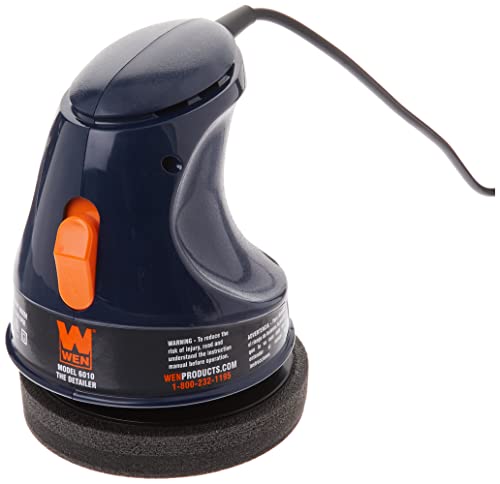
- Compact 6-inch design with two included bonnets
- 3,500-rpm motor for waxing and polishing tasks
- Contoured grip supports one- or two-hand use
Best For: Simple garage-based waxing and light polishing
Best Two-Step Correction
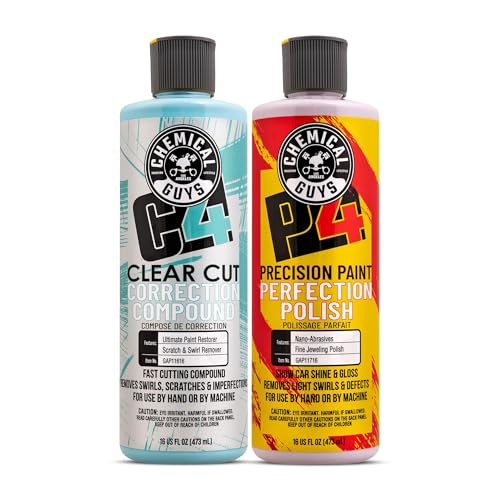
- C4 cuts defects while P4 refines gloss
- Two 16-ounce products provide a complete correction pairing
- Works by hand or with dual-action and rotary polishers
Best For: Detailers wanting separate cutting and finishing stages
Powerful Rotary Pick
LDHTHOPI 1600W Variable-Speed Buffer

- 1600W motor for demanding correction work
- Seven speeds from 1,000 to 3,500 RPM
- Includes varied pads and three handling options
Best For: DIY detailers seeking a powerful, versatile rotary polisher
Simple Waxing Choice
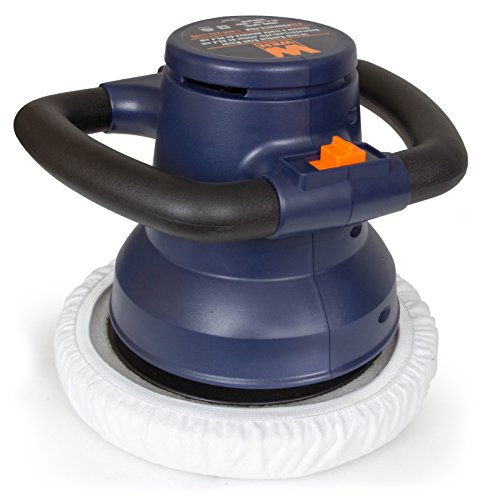
- 10-inch pad for broad vehicle panels
- Runs at 3,200 orbits per minute
- Includes three bonnets, mitt, and case
Best For: Routine waxing and polishing on larger painted surfaces
Versatile DA Kit
SPTA 5-Inch Dual-Action Polisher

- Dual-action design for swirls and paint defects
- Six speeds from 2,000 to 5,200 RPM
- Large accessory kit with pads and compounds
Best For: DIY detailers wanting a complete correction and waxing kit
Best Corded Value
AOBEN 6-Inch Variable-Speed Polisher
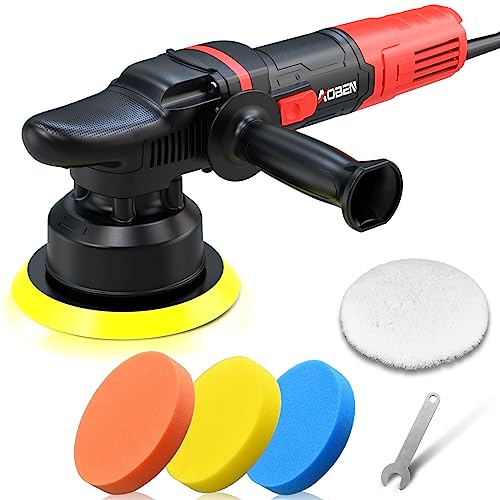
- 700W corded random-orbital motor
- Six speeds from 1000–4500 RPM
- Adjustable side and top handles
Best For: Long garage detailing sessions
Best for DeWalt Owners
20V-Compatible Brushless Polisher
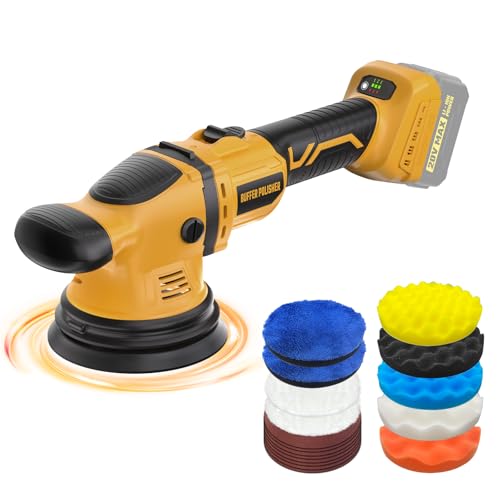
- Uses compatible DeWalt 20V batteries
- Brushless motor with six speeds
- 17-piece polishing and sanding kit
Best For: Existing DeWalt 20V tool users
Best Complete Kit – TORQX Random Orbital Polisher Kit
The Chemical Guys TORQX is a practical choice among car polishers for shoppers who want a complete paint-correction setup rather than a machine alone. Its 700W corded motor, random-orbital movement, pads, compounds, and polishes provide a straightforward starting point for correcting light scratches, swirls, oxidation, and haze.
Best For: Beginners and DIY detailers who want an all-in-one polishing kit with room for professional-style results.
Pros:
- Includes the polisher, pads, compounds, and polishes in a nine-piece kit.
- Random-orbital action is designed for controlled polishing on paint, clear coat, headlights, and wheels.
- Ergonomic, balanced design and simple controls support extended use.
Cons:
- Corded operation requires access to a power outlet.
- The supplied warranty is listed as 30 days through Amazon.
Choose the TORQX when convenience matters most. Since the essential correction products are included, it minimizes the extra shopping typically required when building a car-polishing setup.
Best Compound Add-On – Meguiar's Ultimate Compound
Meguiar’s Ultimate Compound is a useful companion for car polishers when the main need is defect removal rather than another machine. Its fine micro-abrasive formula is intended to address scratches, swirls, oxidation, and water spots by hand or with a dual-action polisher.
Best For: DIY paint correction when you already own a polisher or prefer applying compound by hand.
Pros:
- Targets scratches, swirls, oxidation, and water spots.
- Suitable for clear coats and gloss paints without intended hazing.
- Can be used by hand or with a dual-action polisher.
Cons:
- This is a 15.2-ounce compound, not a complete polishing machine or kit.
- It is intended for paint correction, so additional finishing products may be useful for a complete process.
For shoppers assembling a car-polishing routine piece by piece, Ultimate Compound offers a focused correction step. Pair it with an appropriate pad and follow with a finishing polish when additional refinement is needed.
Best Budget Waxer – WEN 6010 6-Inch Waxer/Polisher
The WEN 6010 is a compact, straightforward option among car polishers for applying wax and performing light polishing tasks. Its 6-inch format, 3,500-rpm motor, contoured grip, and included applicator and terry cloth bonnets keep the setup simple.
Best For: Users who want an uncomplicated corded waxer/polisher for garage-based vehicle care.
Pros:
- Includes both a 6-inch applicator bonnet and a terry cloth bonnet.
- Contoured palm and body grip supports one- or two-hand use.
- Lockable on/off switch helps maintain continuous operation.
- One-year manufacturer warranty is listed.
Cons:
- Its 60W motor is less powerful than the larger correction-focused machine in this roundup.
- Corded operation limits mobility away from an outlet.
The WEN 6010 makes sense for basic waxing and polishing without a complicated control setup. Consider a more powerful random-orbital machine if your priority is correcting substantial paint defects.
Best Two-Step Correction – C4 & P4 Paint Correction Kit
The Chemical Guys C4 and P4 kit gives car polishers a clearly divided two-step paint-correction process. C4 is intended to cut scratches, swirls, oxidation, towel marks, and etching, while P4 refines the surface and improves depth, gloss, and color vibrancy.
Best For: Enthusiasts and detailers who want separate cutting and finishing products for a more deliberate correction routine.
Pros:
- Includes two 16-ounce products for cutting and finishing.
- C4 handles heavier visible defects before P4 refines the finish.
- Compatible with dual-action, rotary, or hand application methods.
- Formulated for clear coat, single-stage, and ceramic-coated vehicles.
Cons:
- This kit contains compounds and polish but no polisher, pads, or other accessories.
- A two-step process requires more time and product handling than a single correction product.
Choose this kit when the ability to separate correction from finishing is more important than having an all-in-one machine package. It is a flexible product pairing for shoppers who already have suitable car polishers or application tools.
Powerful Rotary Pick – LDHTHOPI 1600W Variable-Speed Buffer
Among car polishers, the LDHTHOPI stands out for its high-power rotary motor, broad speed range, and multiple handling options. Its 1,000–3,500 RPM settings and included pad assortment make it suitable for everything from waxing and finishing to tackling oxidation, stains, and deeper scratches.
Best For: DIY detailers who want a powerful rotary polisher with versatile accessories for cars and other surfaces.
Pros:
- 1600W motor is designed for demanding polishing, sanding, and oxidation-removal tasks.
- Seven variable speeds support delicate finishing through more aggressive correction.
- Can be used directly or with a D-handle or side handle for added control.
- Includes multiple wool and foam pads, sanding discs, handles, and a storage bag.
Cons:
- As a rotary machine, it may require more careful pressure and technique than a dual-action polisher.
- The instructions caution users to limit continuous operation to 15 minutes and allow cooling.
- The 7-inch format and 4.6-pound weight may feel less nimble in tight areas.
This is a feature-rich choice for users who need substantial correction power and broad accessory coverage. Follow the cooling guidance and avoid excessive pressure to help prevent motor overload.
Simple Waxing Choice – WEN 10-Inch Waxer/Polisher
For straightforward car polishing and waxing, the WEN 10PMC focuses on a simple 10-inch orbital design and a useful set of bonnets. Its 3,200 orbits per minute, insulated housing, and included storage case make it a practical option for routine paint-care jobs.
Best For: Car owners who primarily want an easy-to-use machine for applying wax and polishing larger painted areas.
Pros:
- 10-inch pad size covers a broad surface area during waxing and polishing.
- Runs at 3,200 orbits per minute for consistent routine paint care.
- Includes applicator, polishing, and wool-blend bonnets.
- Comes with a washing mitt and storage case.
Cons:
- Its fixed 3,200-orbit speed offers less adjustment than variable-speed models.
- The supplied notes describe it as a waxer/polisher rather than a dedicated scratch-correction machine.
- At 9 pounds, it may be tiring during extended use.
The WEN is best viewed as a convenient maintenance polisher rather than a highly adjustable correction tool. Its large pad and included bonnets suit regular waxing and polishing across broad vehicle panels.
Versatile DA Kit – SPTA 5-Inch Dual-Action Polisher
The SPTA DAPSET-US is one of the more versatile car polishers for detailing projects that call for controlled, variable-speed work. Its 5-inch dual-action random-orbital design, constant-power electronics, and six-speed dial are paired with pads, compounds, towels, and sanding supplies.
Best For: DIY detailers who want a complete kit for waxing, polishing, swirl removal, paint-defect correction, and light sanding.
Pros:
- Dual-action random-orbital movement is suited to polishing and removing swirls and defects.
- Six speed settings range from 2,000 to 5,200 RPM for different applications.
- Constant power and a smooth start are designed to improve control and reduce fatigue.
- Includes 5- and 6-inch pads, compounds, sanding discs, handles, towels, and a carrying bag.
Cons:
- The 5-inch backing plate may cover panels more slowly than a larger-format polisher.
- It is corded and requires access to a 110V power source.
- The extensive accessory set may be more than needed for users focused only on basic waxing.
This SPTA kit offers a strong balance of control and included equipment. The dual-action design and adjustable speed range make it a flexible starting point for enthusiasts handling both maintenance polishing and more involved detailing.
Best Cordless Starter Kit – 21V Dual-Action Car Polisher
For shoppers comparing car polishers, this cordless dual-action kit offers a practical balance of portability, adjustability, and included accessories. Its six speed settings, LED display, two batteries, and random-orbital motion make it suitable for routine waxing, polishing, cleaning, and light scratch-removal work.
Best For: Beginners and detailers who want a lightweight cordless polisher with batteries and a broad accessory selection.
Pros:
- Cordless 21V design includes two 2000mAh batteries and a fast charger.
- Six speeds from 2800–5800 RPM with an LED speed and battery display.
- Includes multiple foam, wool, microfiber, non-woven, and sanding accessories.
- Lightweight 3.3-pound body with an ergonomic grip.
Cons:
- The battery system is not compatible with DeWalt batteries.
- Overheating protection may shut the tool off after more than 20 minutes of continuous high-speed use.
This is a flexible choice for occasional car care and multi-surface projects, particularly when working without a nearby outlet. Fully charge the batteries before use and plan short cooling breaks during demanding jobs.
Best Corded Value – AOBEN 6-Inch Variable-Speed Polisher
Among car polishers, the AOBEN stands out as a corded 700W option with a six-inch backing plate and six speed levels. Its random-orbital movement, adjustable handles, and included foam and wool pads support waxing, polishing, sanding, and cleaning across automotive and household surfaces.
Best For: Garage users who prefer continuous corded power and adjustable handling for larger detailing sessions.
Pros:
- 700W corded motor provides consistent power without battery changes.
- Six variable speeds from 1000 to 4500 RPM for waxing, polishing, and defect removal.
- Side handle can be mounted on either side, with a top handle option.
- Includes three foam pads, a synthetic wool pad, backing disc, wrench, and manual.
Cons:
- Corded design limits mobility compared with cordless car polishers.
- At 6.8 pounds, it is heavier than the cordless alternatives listed here.
- The supplied kit has fewer total accessories than some competing packages.
The AOBEN is a sensible pick when runtime and steady outlet power matter more than portability. Its handle choices can help reduce fatigue, while the lower speed range is useful for controlled waxing and buffing.
Best for DeWalt Owners – 20V-Compatible Brushless Polisher
For shoppers seeking car polishers that work with an existing battery platform, this VERVEWAVE tool is designed for DeWalt 20V lithium-ion batteries. It combines a brushless motor, six speed settings, eccentric orbital motion, and a 17-piece accessory kit in a cordless tool-only package.
Best For: DeWalt 20V battery owners who want a cordless polisher without purchasing another battery and charger.
Pros:
- Compatible with a range of listed DeWalt 20V MAX batteries.
- Brushless motor is designed for lower noise, stronger performance, and longer motor life.
- Six speeds from 1800–5500 RPM cover waxing, polishing, cleaning, and oxidation removal.
- Extended ergonomic grip, lock switch, and eccentric motion support controlled handling.
Cons:
- Battery and charger are not included.
- Requires a compatible DeWalt battery to operate.
- At 2.4 kg, it is heavier than the other cordless kit listed here.
This is the most convenient option for users already invested in the DeWalt 20V system. Buyers without a compatible battery should account for the additional purchase, but existing DeWalt owners can benefit from shared batteries and chargers.
How We Picked These Car Polishers
We compared the selected Car Polishers by polishing motion, motor power, speed range, pad compatibility, handling, included accessories, and intended use. Dual-action models received particular attention because their orbiting movement is generally more forgiving for beginners than a rotary machine. We also included rotary and traditional waxer-polisher designs for shoppers who prioritize cutting power, broad coverage, or simple waxing.
Kit contents matter, but they do not tell the whole story. Pads and compounds can make a starter package convenient, while a better-balanced tool may be the smarter long-term investment. We considered both complete kits and standalone-style options so buyers can choose according to their existing detailing supplies.
Quick Comparison
- Best for beginner paint correction: A dual-action polisher with a moderate orbit, variable speed, and multiple foam pads.
- Best for waxing and occasional use: A simple 6- or 10-inch waxer/polisher with broad bonnets.
- Best for heavier correction: A rotary model with adjustable speed and a secure side handle.
- Best for portability: A cordless DA polisher, provided you have compatible batteries and a realistic runtime expectation.
- Best for a complete starter setup: A kit that includes cutting, polishing, and finishing pads plus suitable compounds.
Key Buying Factors for Car Polishers
Polishing Motion
Dual-action polishers combine rotation and orbiting movement, helping reduce heat concentration and making accidental paint damage less likely. Rotary polishers can correct defects faster but require more control, especially around edges and body lines. Waxer-polishers are convenient for spreading wax but may offer less precision for serious correction.
Speed Control and Power
Variable speed is more useful than a high maximum RPM alone. Lower settings help spread compound, wax, and sealant; higher settings can support correction when the pad, product, and paint are suitable. A powerful motor may maintain speed under load, but it can also increase vibration, noise, and the risk of overworking a panel.
Pad Size, Ergonomics, and Accessories
Six-inch pads offer a practical balance for most vehicles, while smaller pads improve access around trim and tight contours. Larger pads cover panels quickly but can feel less precise. Look for a comfortable handle, manageable weight, soft-start behavior, and clear speed controls. Check whether the kit includes backing plates, spare bonnets, polishing pads, compounds, and storage.
Who Should Buy Which Car Polishers?
New detailers should start with a dual-action model and moderate speed settings. Experienced enthusiasts may prefer a more powerful DA system with interchangeable pads and compounds. Professional or heavy-correction users can consider a rotary polisher if they already understand paint thickness, heat management, and edge control. Casual owners who mainly apply wax may be better served by a straightforward waxer-polisher rather than a full correction kit. Finally, mobile detailers should weigh cordless convenience against battery cost, charging time, and runtime before choosing a battery-powered model.