Choosing the right scanner can save time, cut guesswork, and help you handle basic repairs at home with more confidence.
This roundup of the best car diagnostic scanners for home mechanics focuses on practical tools for reading codes, checking live data, and matching the scanner to your vehicle and skill level.
Best 10 Car Diagnostic Scanners for Home Mechanics Picks for 2026
Budget Check-Engine Reader
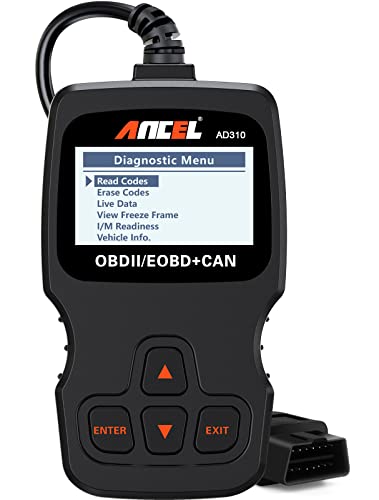
- Reads and clears emission-related codes
- Shows live data and I/M readiness
- No battery, charger, or app needed
Best For: Home mechanics who want a simple plug-in engine code reader
Full-System Home Scanner
FOXWELL NT604 Elite OBD2 Scanner

- Scans engine, ABS, SRS, and transmission
- Includes live data and AUTOVIN
- No extra software fee
Best For: DIYers who want broader warning-light diagnostics at home
Starter OBD2 Scanner
ANCEL AD410 Check Engine Reader

- 42,000+ built-in code lookups
- Reads live data and freeze frame
- No app or battery needed
Best For: Beginners who want a clear, easy check-engine scanner
Phone-Based Scanner

- Bluetooth scans on iPhone and Android
- Simple explanations for 39,000+ issues
- Unlimited scans with the free app
Best For: Drivers who want wireless app-based diagnostics
2-in-1 Diagnostic Pick
ANCEL AD410 PRO Scanner & Battery Tester

- Combines OBD2 code reading with battery, starter, and charging tests.
- Reads and clears engine codes, plus shows 50+ live data points.
- Plug-and-play design with I/M readiness checks for inspection prep.
Best For: DIY owners who want one tool for engine codes and basic battery checks.
Budget Code Reader
MOTOPOWER MP69033 OBD2 Scanner

- Reads and erases engine codes with a built-in DTC lookup library.
- Shows freeze frame, I/M readiness, live data, and basic vehicle info.
- Compact, vehicle-powered design with a 2.8-inch LCD screen.
Best For: Budget-minded DIYers who need a simple engine code reader.
Feature-Rich Favorite
FOXWELL NT301 Live Data Scanner

- Reads and clears codes with one-click operation.
- Includes live data graphing, O2 sensor, and EVAP testing.
- I/M readiness indicators help with smog-test preparation.
Best For: Home mechanics who want a simple scanner with extra diagnostic features.
Compact DIY Code Reader
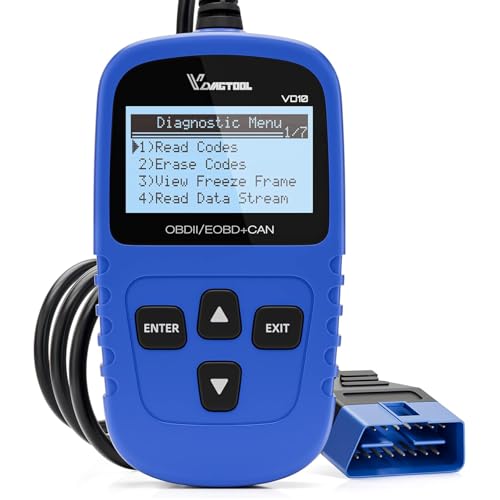
- Reads and clears OBDII engine codes
- Shows live data and freeze-frame info
- Built-in definitions for 3,000+ codes
Best For: Simple home diagnostics and emissions readiness checks
All-in-One Home Garage Pick

- Reads codes and tests battery/alternator health
- Includes oil reset and readiness checks
- Works with free app repair guidance
Best For: DIY owners wanting code, battery, and maintenance tools in one
Multi-System Troubleshooter

- Covers engine, ABS, SRS, and transmission
- Shows live data from four systems
- Includes free lifetime software updates
Best For: Checking multiple vehicle systems from one handheld scanner
Budget Check-Engine Reader – ANCEL AD310 OBD2 Code Reader
If you want a straightforward option among car diagnostic scanners for home mechanics, the ANCEL AD310 keeps things simple: plug it in, read emission-related fault codes, clear them after repairs, and check basic live data without needing an app or battery. It is aimed at drivers who mainly need fast check-engine troubleshooting on OBD2 vehicles.
Best For: Home mechanics who want a compact, easy-to-use code reader for basic engine light diagnostics.
Pros:
- Reads and clears emission-related OBD2 trouble codes quickly
- Shows live data, freeze frame, and I/M readiness information
- Powered directly by the vehicle, so no charger or batteries are needed
- Compact build with a clearly labeled screen and buttons
Cons:
- Does not diagnose ABS, SRS, or transmission systems
- Only works with OBDII vehicles, not OBDI
- Limited to emission-related engine faults
For basic home garage use, the AD310 is a practical no-frills scanner that gives quick answers without extra setup. It is best viewed as a dependable check-engine reader rather than a full-system diagnostic tool.
Full-System Home Scanner – FOXWELL NT604 Elite OBD2 Scanner
The FOXWELL NT604 Elite is a stronger pick for car diagnostic scanners for home mechanics who want more than basic engine code reading. It scans common systems like engine, ABS, SRS, and transmission, and it comes ready to use out of the box with built-in software and AUTOVIN for quicker vehicle lookup.
Best For: DIY users who want a more complete diagnostic scanner for common warning lights and system-level checks.
Pros:
- Scans engine, ABS, SRS, and transmission systems
- Includes live data, DTC library, data playback, and print support
- Works out of the box with no extra software fee
- Comes with a solid protective case for storage and transport
Cons:
- Does not include service functions like oil reset or relearn
- Cannot clear crash/collision data in the SRS system
- Compatibility depends on vehicle make, model, and year
If you want a scanner that goes beyond a basic code reader, the NT604 Elite offers useful coverage for common home-repair diagnostics. Just keep in mind that it is for diagnosis and code clearing after repairs, not a repair tool itself.
Starter OBD2 Scanner – ANCEL AD410 Check Engine Reader
The ANCEL AD410 is a practical choice if you want an easy-to-read tool among car diagnostic scanners for home mechanics. It focuses on check-engine troubleshooting with built-in code definitions, live data, and readiness checks, making it a beginner-friendly option for routine garage use.
Best For: Beginners and home mechanics who want a simple engine-code scanner with clear on-screen guidance.
Pros:
- Reads and clears engine-related OBD2 fault codes
- Includes 42,000+ built-in DTC lookups and code definitions
- Supports live data, freeze frame, EVAP, and O2 sensor tests
- No app, battery, or charger required
Cons:
- Does not support ABS, SRS, transmission, or service reset functions
- Limited to engine and emission-related codes
- Compatibility should still be checked by vehicle year and type
For everyday check-engine light troubleshooting, the AD410 offers a clear balance of simplicity and useful diagnostics. It is a solid pick when you want more guidance than a bare-bones code reader, but do not need advanced system coverage.
Phone-Based Scanner – FIXD Bluetooth OBD2 Sensor
If you prefer app-based car diagnostic scanners for home mechanics, the FIXD Bluetooth OBD2 Scanner turns your phone into the display. It scans thousands of vehicle issues, saves results by car, and gives simple explanations instead of raw fault-code jargon, which can make it easier to understand what is going on.
Best For: Drivers who want wireless phone-based diagnostics and easy-to-understand scan results.
Pros:
- Connects to iPhone and Android via Bluetooth
- Provides simple explanations for 39,000+ issues
- Includes free app access with unlimited scans
- Stores scans and maintenance reminders for multiple vehicles
Cons:
- Requires a compatible phone and app use
- Feature availability can vary by vehicle make and model
- Advanced support is tied to an optional premium trial and upgrade path
FIXD is a convenient option if you like having scan results on your phone and want easy sharing or recordkeeping across vehicles. It is less about a dedicated handheld tool and more about quick, wireless everyday diagnostics.
2-in-1 Diagnostic Pick – ANCEL AD410 PRO Scanner & Battery Tester
If you want one of the more versatile car diagnostic scanners for home mechanics, the ANCEL AD410 PRO adds battery testing to basic OBD2 code reading. It reads and clears engine fault codes, shows live data, and checks readiness status, while also helping you evaluate battery health, cranking, and charging system performance.
Best For: DIY owners who want a scanner that can handle engine codes and basic 12V battery checks in one tool.
Pros:
- 2-in-1 design combines OBD2 engine diagnostics with battery, starter, and charging tests.
- Reads and clears 42,000+ SAE DTCs and includes freeze frame plus 50+ live data readings.
- Simple plug-and-play use with no apps or computer setup required.
- Includes I/M readiness checks to help with smog-test prep.
Cons:
- Does not support ABS, SRS, or transmission systems.
- Only works with standard 16-pin OBD2 gas and diesel vehicles, not EVs.
For home mechanics who mainly need check-engine diagnosis but also want a battery tester built in, this is a practical space-saving choice. It covers the most common driveway troubleshooting jobs without forcing you to buy separate tools.
Budget Code Reader – MOTOPOWER MP69033 OBD2 Scanner
The MOTOPOWER MP69033 is a straightforward option among car diagnostic scanners for home mechanics who mainly want a simple check-engine light reader. It can read and erase codes, show freeze frame and live data, and pull basic vehicle information without needing a separate power source.
Best For: Budget-minded DIYers who want a compact, easy-to-use OBD2 code reader for basic engine diagnostics.
Pros:
- Built-in DTC lookup library helps identify engine light causes quickly.
- Supports code reading, erasing, freeze frame, I/M readiness, and live data.
- Powered directly by the vehicle, so no battery or charger is needed.
- Compact body with a clear 2.8-inch LCD screen and 6-button layout.
Cons:
- Does not support ABS, airbag, or other non-OBDII systems.
- Screen is smaller than some competing scanners.
If you mainly need the basics for garage troubleshooting, this scanner keeps things simple and affordable. It is best viewed as a focused code reader rather than a more advanced all-system diagnostic tool.
Feature-Rich Favorite – FOXWELL NT301 Live Data Scanner
The FOXWELL NT301 is a strong middle-ground choice for car diagnostic scanners for home mechanics who want more than a basic code reader. It reads and clears engine codes, offers live data graphing, and includes O2 sensor and EVAP tests to help you verify repairs before you head back on the road.
Best For: Home mechanics who want an easy-to-use scanner with live data, inspection readiness, and a few helpful advanced OBD2 modes.
Pros:
- Reads and clears check-engine codes quickly with one-click operation.
- Includes I/M readiness hotkeys and a red-yellow-green pass/fail indicator.
- Live data graphing helps spot sensor and fuel-trim issues in real time.
- Offers O2 sensor and EVAP testing for deeper OBD2 troubleshooting.
Cons:
- Focused on OBDII engine diagnostics rather than broader system coverage.
- Compatibility varies by vehicle year, make, model, and VIN.
This model stands out if you want a practical scanner that helps you diagnose, verify, and monitor repairs with more detail than a basic code reader. It remains simple enough for DIY use while adding useful features for regular garage work.
Compact DIY Code Reader – VDIAGTOOL VD10 OBD2 Scanner
If you want car diagnostic scanners for home mechanics that focus on the essentials, the VDIAGTOOL VD10 is a straightforward pick. It plugs into the OBDII port and quickly reads and clears engine codes, shows live data, freeze-frame info, and checks I/M readiness, making it a practical tool for basic troubleshooting and smog prep.
Best For: Home mechanics who want a simple, plug-and-play scanner for engine codes and inspection checks.
Pros:
- Reads and clears generic and manufacturer-specific OBDII codes
- Shows live data, freeze-frame data, and vehicle information
- Built-in DTC database with more than 3,000 code definitions
- Supports I/M readiness checks for emissions inspection prep
Cons:
- Focused on OBDII engine diagnostics rather than advanced multi-system coverage
- Uses a basic 2-line LCD display instead of a larger color screen
The VD10 makes sense if you want a reliable, no-fuss scanner for common check-engine tasks without extra setup. It is especially useful for quick code reading, clearing, and readiness checks on most OBDII-compliant vehicles.
All-in-One Home Garage Pick – Innova 5210 OBD2 Scanner
Among car diagnostic scanners for home mechanics, the Innova 5210 stands out because it combines engine code reading with battery testing and oil reset functions. It also provides live data and drive cycle readiness, so you can diagnose a problem and check whether the vehicle is ready for an emissions test without needing a separate tool or app subscription.
Best For: DIY owners who want one scanner for code reading, battery checks, and basic maintenance resets.
Pros:
- Reads and clears check engine light codes, with ABS coverage that may vary
- Includes a battery tester to check alternator health
- Offers oil reset and I/M readiness features
- Works with the free RepairSolutions2 app with verified fixes and repair guidance
Cons:
- Some features and coverage vary by make, model, and year
- ABS support is not universal
- Requires coverage verification for best results
This is a strong middle-ground option if you want more than a basic code reader but do not need a full professional scan tool. Its mix of live data, battery testing, and repair guidance makes it especially useful for routine home-garage maintenance.
Multi-System Troubleshooter – ANCEL FX2000-US Scanner
If you need car diagnostic scanners for home mechanics that go beyond engine codes, the ANCEL FX2000-US offers broader coverage of key systems. It can read and clear codes for the engine, ABS, SRS/airbag, and transmission, while also providing live data and built-in DTC definitions to help you narrow down what needs attention next.
Best For: Home mechanics who want a larger, more capable scanner for checking multiple vehicle systems.
Pros:
- Reads and clears codes for engine, ABS, SRS/airbag, and transmission systems
- Includes full OBDII functions such as freeze-frame data and I/M readiness
- Displays live data from four major vehicle systems
- No phone or app required, with free lifetime software updates
Cons:
- ABS, SRS, and transmission coverage depends on vehicle make, model, and year
- Larger corded design is less compact than a basic handheld code reader
The FX2000-US is a practical step up if your home repairs often involve more than a check-engine light. It is best for drivers who want a standalone scanner that can help them inspect multiple systems before deciding on repairs.
How We Picked the Best Car Diagnostic Scanners for Home Mechanics
We focused on Car Diagnostic Scanners for Home Mechanics that offer the best mix of ease of use, compatibility, and useful features. Priority went to models that can read and clear common trouble codes, support OBD2 functions, and provide clear information without overwhelming first-time users.
We also considered whether a scanner is a simple code reader, a live-data tool, or a more advanced option with system access, battery testing, or app-based features. That makes it easier to choose based on how often you plan to diagnose problems and how deep you want to go.
Quick Comparison
If you only need to check a check-engine light, a basic code reader is usually enough. If you want to monitor sensors, inspect freeze-frame data, or confirm a fix, look for live data and I/M readiness. More advanced tools can add ABS, SRS, transmission, oil reset, or battery testing for broader home garage use.
Key Buying Factors for Car Diagnostic Scanners for Home Mechanics
Vehicle Compatibility
Make sure the scanner supports your vehicle’s OBD2 standard. Most gasoline vehicles from 1996 onward work well, but some advanced functions may vary by make, model, and year.
Functions You Will Actually Use
Basic code reading and clearing are essential, but live data, freeze frame, and readiness monitors can help you diagnose problems more accurately. If you do your own maintenance, features like oil reset or battery testing can be worth paying for.
Screen, App, and Ease of Use
Handheld units with a built-in display are often simpler for quick jobs. Bluetooth models can be convenient if you prefer using a phone app, but they depend on software quality and a stable connection.
System Coverage
Some scanners only handle engine codes, while others extend into ABS, SRS, transmission, and more. Choose broader coverage only if you know you will use it, since extra systems usually mean a higher price.
Who Should Buy Which Car Diagnostic Scanners for Home Mechanics?
Beginners usually do best with a straightforward code reader that reads and clears engine faults quickly. Weekend DIYers may prefer a scanner with live data and a few service features. More experienced home mechanics should look at multi-system tools that can access ABS, SRS, and transmission data for fuller diagnostics.
If you want a simple, affordable tool for occasional use, stay with a basic handheld scanner. If you plan to troubleshoot repeatedly or maintain multiple vehicles, choose a model with stronger feature depth and clearer data display.